History
The Defense League is part of a proud tradition of civil resistance and activism in Philadelphia
The Diaspora Defense League draws on a rich tradition of community activism, civic advocacy, and anti-racist resistance in the city of Philadelphia. In 1688, Francis Pastorius, the founder of Germantown (a northwest neighborhood of Philadelphia), drafted the Germantown Quaker Petition Against Slavery, which was the first protest against the practice of slavery by a religious group in the English colonies. Basing their petition on the Golden Rule, the authors urged the abolition of slavery and advocated for equal human rights for everyone, regardless of race. Other early opponents to slavery in the Philadelphia area included Benjamin Lay and Anthony Benezet, who staged fiery protests, engaged in debates with slaveholders, and wrote extensively on abolition. During a speech at a Quaker meetinghouse during the Philadelphia Yearly Meeting in 1738, Lay proclaimed before spattering artificial blood on several slave owners in the audience:
In 1787, former enslaved persons Absalom Jones and Richard Allen founded the Free African Society in order to provide mutual aid and education to Philadelphia’s growing Black community. The organization assisted Black Philadelphians with funerary expenses, paid children’s school tuitions, and helped people find work. During the Yellow Fever pandemic in the late 1790s, the Free African Society cared for the sick and supported families with burials.
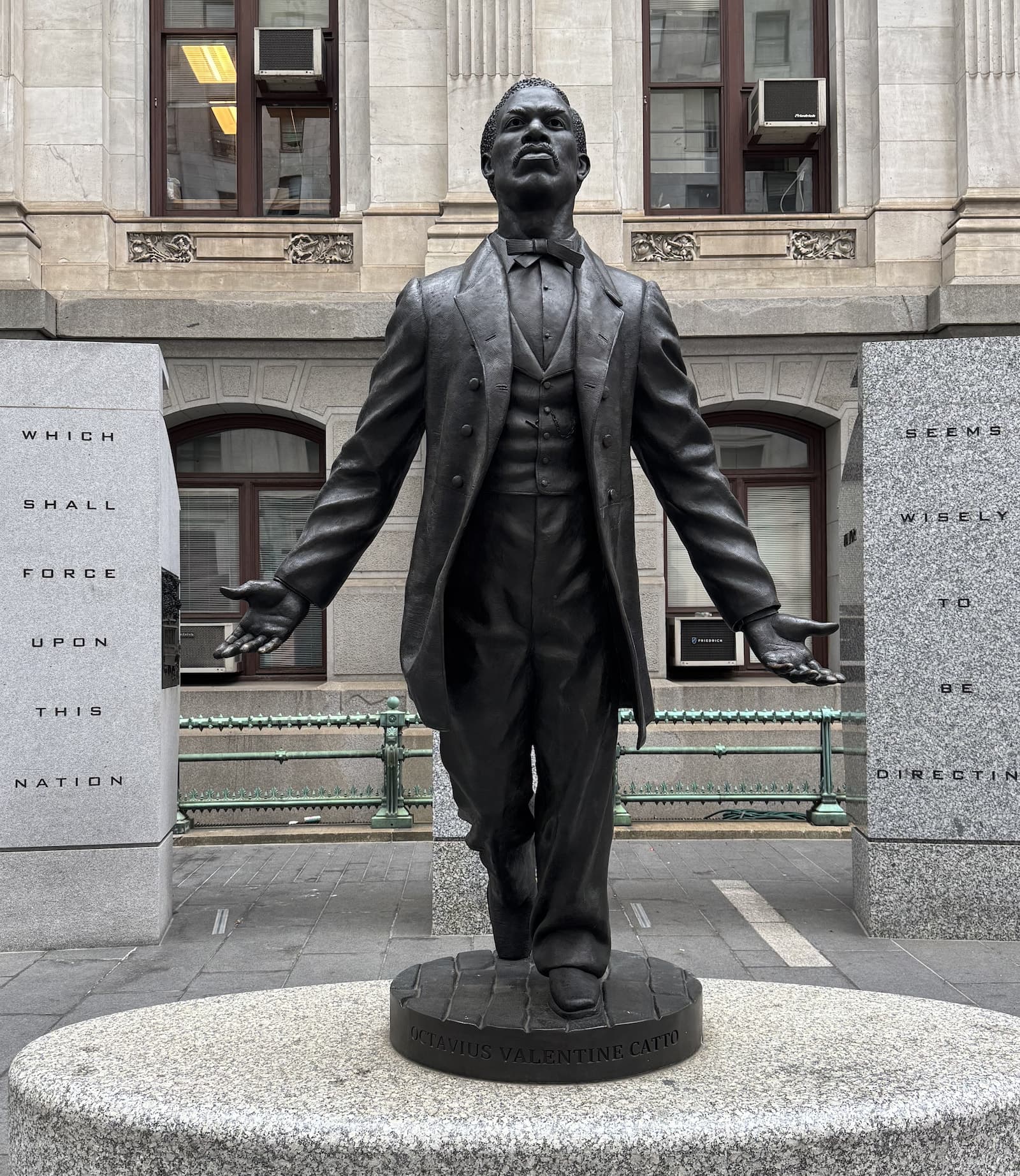
Octavius Catto, Caroline LeCount, and William Still were other notable Black activists in the Philadelphia area who, during the 19th century, continued the city’s fight against injustice and tyranny. Catto, who is honored with a statue at Philadelphia’s City Hall, helped enlist troops to fight for the Union in the Civil War. Later on, he worked with William Still and Caroline LeCount to desegregate Philly’s streetcars. As a result of their activism, Philadelphia’s trolley cars were desegregated by 1867, nearly 100 years before the Alabama bus boycott. Catto also championed voting rights for African Americans, helping to secure the ratification of the 15th amendment. He was assassinated on October 10, 1871 by a white supremacist while on his way to the polls on the first election day that Black men could legally vote.
During the 20th century, Cecil B. Moore emerged as another titan of the Civil Rights movement. After a career in the U.S. Marines, Moore became a lawyer in Philadelphia, and later the president of the Philadelphia branch of the NAACP. While studying law at Temple University, he also worked as a wholesale liquor distributor, affording him community connections and insights into Philly’s working class struggles. He fought fiercely to secure the civil rights of Black Philadelphians, protesting tirelessly for the integration of schools and trade unions, and condemning racial biases in workplaces. In 1965, Moore began a 7 month-long protest against segregation at Girard College, which was founded as a boarding school for white boys. His protests ultimately resulted in the City of Philadelphia filing suit against the school’s admissions policy and by 1968, Girard was desegregated. Moore’s confrontational tactics and staunch belief in direct action put him at odds with both Black and white leaders in Philadelphia and nationally, including other established civil rights figures.
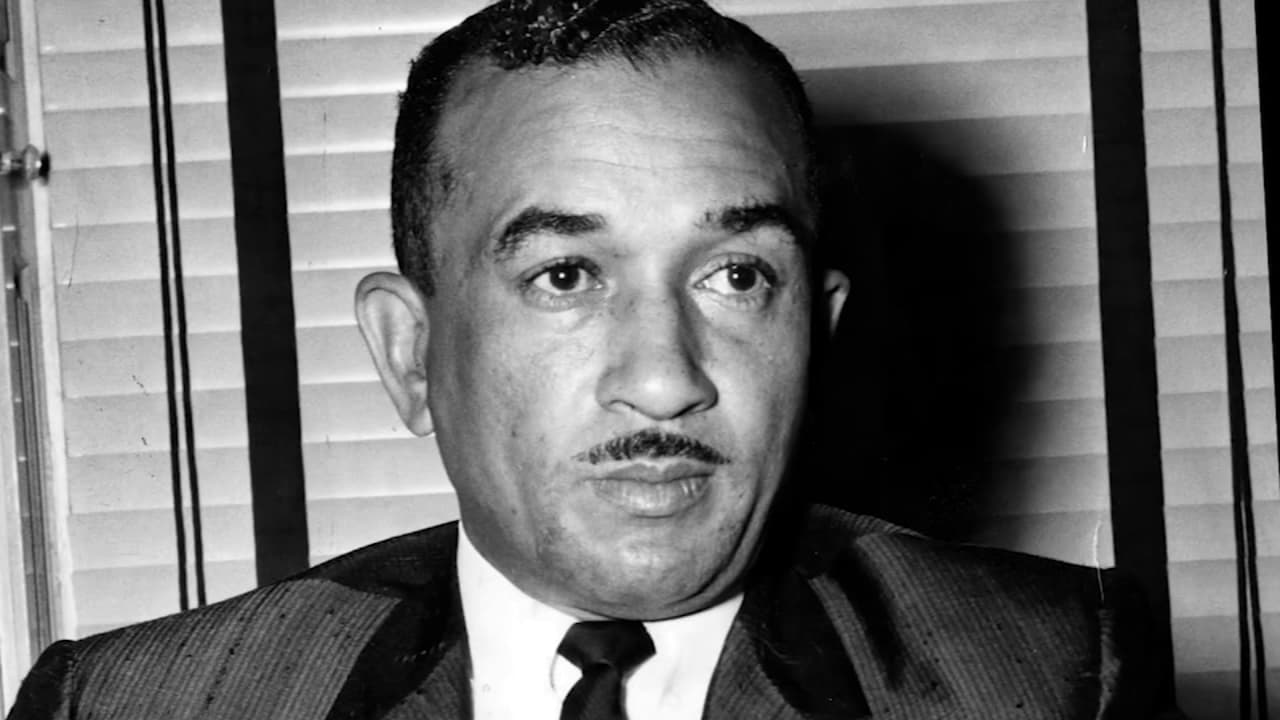
Philadelphia is still a bastion for civic advocacy and grassroots organizing for social justice causes. We at the DDL, informed by the activism and organizing that has existed in this city since its inception, seek to join the ranks of those who laid the groundwork before us and support our community members who are continuing the fight against injustice.
Sources
National Park Service — The 1688 Germantown Quaker Petition Against Slavery
Encyclopedia of Greater Philadelphia — Abolitionism
Smithsonian Magazine — The Quaker Comet Was the Greatest Abolitionist You’ve Never Heard Of
Encyclopedia of Greater Philadelphia — Civil Rights (African American)
Zinn Education Project — Octavius Catto Killed on Election Day in Philadelphia
Philadelphia Tribune — Cecil B. Moore: Anger, Intellect, and Black Pride Personified
Temple University — Perseverance and Grit: The Life and Legacy of Cecil B. Moore